Create Your First Project
Start adding your projects to your portfolio. Click on "Manage Projects" to get started


Procedural Luminance
Series
Harvard University
Term
Fall 2025
Instructor
Charu Srivastava
Teaching Fellow
Sang Won Kang
Working Partners
Xiya Jiang, Ceci Zhang, VN Chen
Final project for a course investigating data collection and surveying as a predictive working tool. Course content was largely focused on using data collection and digital analysis tools to quantify preferences in experience. Surveys collected human answers, computer vision models analyzed images and produced scores. With rapid advancements in technology, integrating predictive design workflows starts to become plausible.
In our midterm presentation, we addressed that while mathematically the computer vision model is excellent, we found it was wildly inaccurate when comparing its scores to human survey answers regarding the same images. Using that as a foundation, the final project sought to “correct” the model and align it with real human participant data.
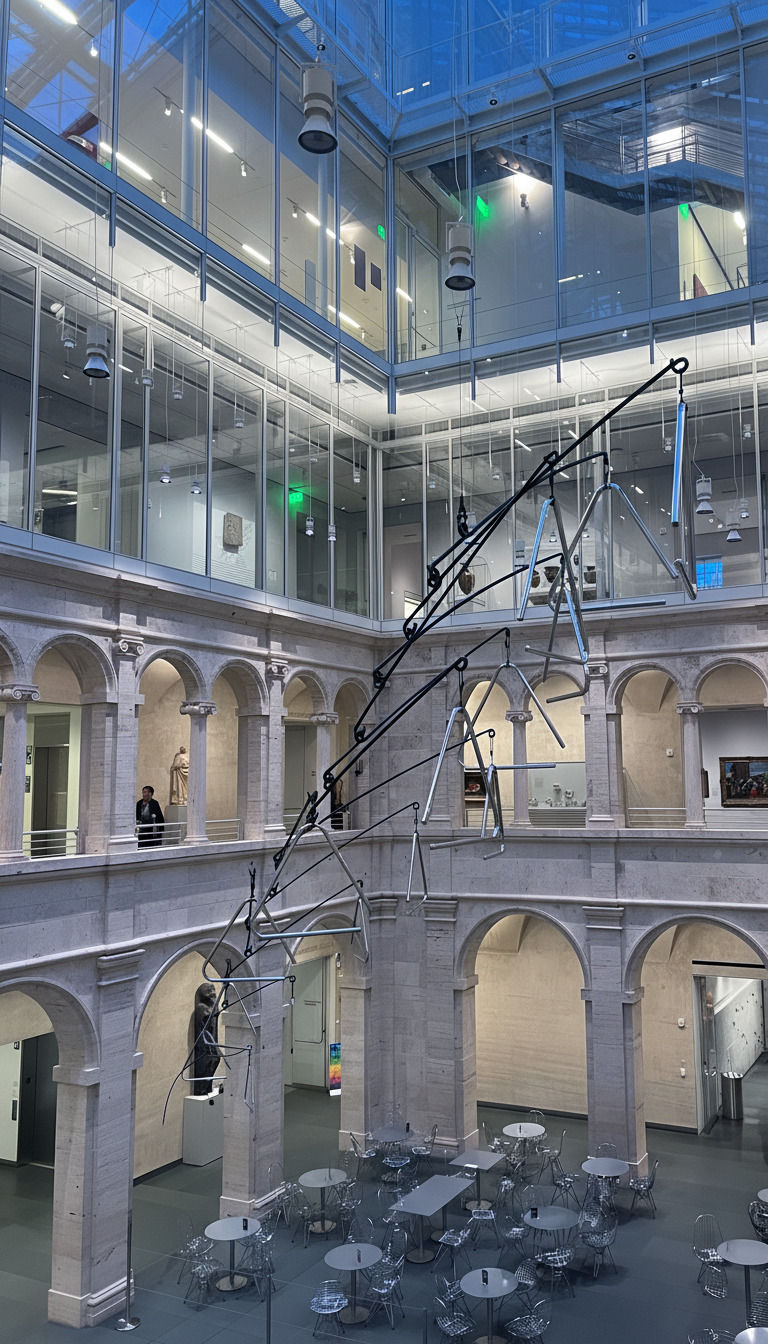
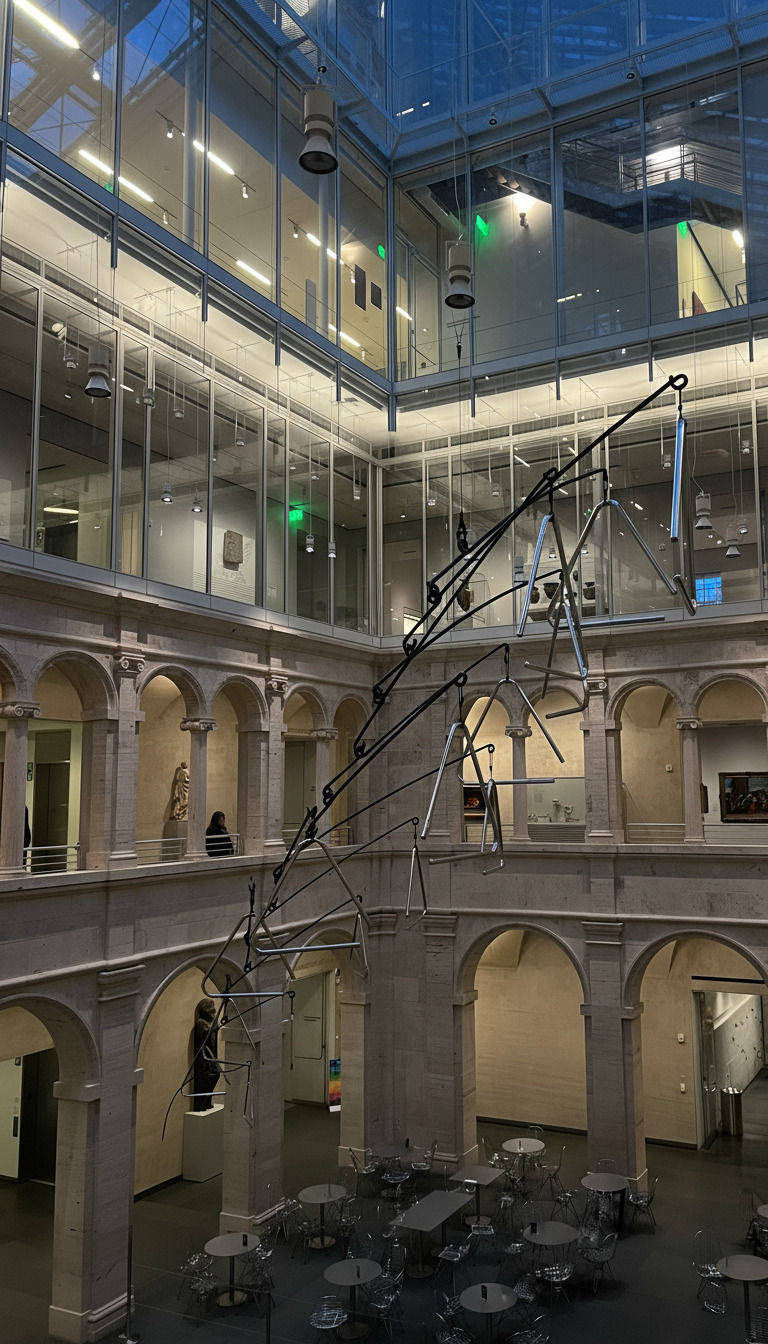
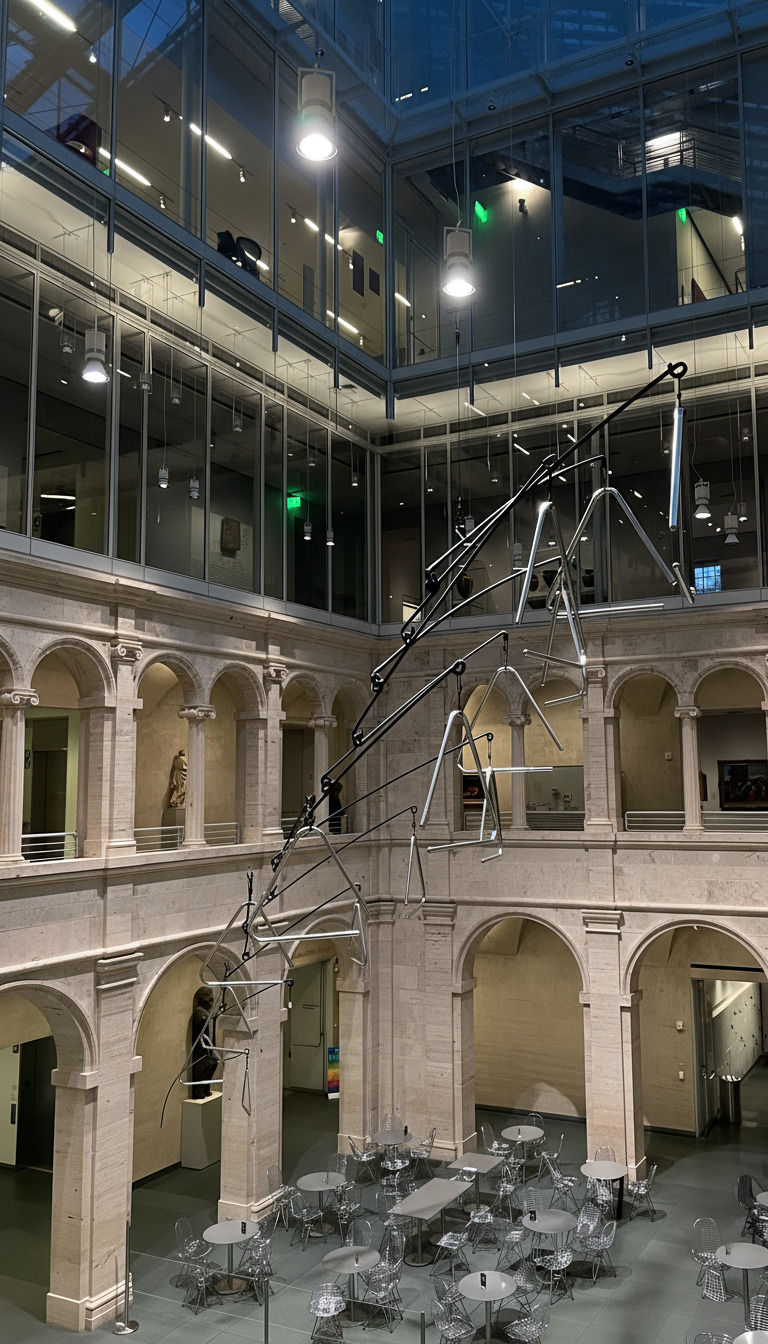
A final survey was distributed, asking participants to rank 5 images of the Harvard Art Museum based on 1) the lighting brightness/layout, and 2) the hue/temperature. Using the data from this survey as a baseline, we trained a new model to align its scoring with the survey results, effectively increasing its accuracy.
The idea is that the updated model can be fed renders, edited images, or photos of physical models, and it will provide a score for the lighting characteristics. What we found is that the updated model has been drastically overfitted to the images it was trained on. However, if this process were repeated hundreds or thousands of times then a very dense corpus of data would allow for a highly accurate predictive model that could correctly communicate human preferences long before the space is created. For our final presentation we demonstrated this with a simple physical model, similar in architectural composition to the Harvard Art Museum. With hundreds of combinations of brightness levels, colors, and shadow direction, the digital tool can evaluate photos of the model and assist in design decisions.